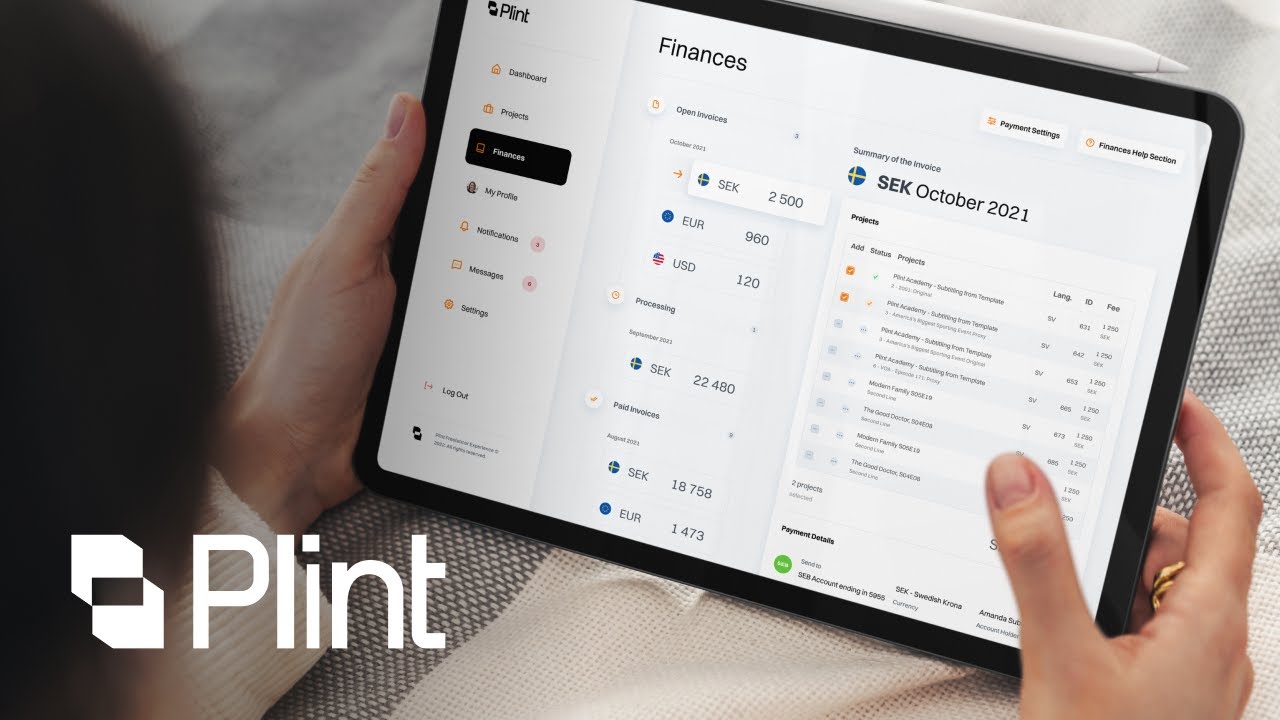
20
user interviews
485
survey answers
13
months, discovery to handover
Great linguists stay where the tools respect their time.
Attracting, keeping and growing freelancers all depend on their experience of the Plint website. The old system could not support Plint's growth, and its architecture blocked continuous improvement.
A new experience, built to keep evolving.
The brief: a freelancer platform separate from Plint Core and true to the Plint brand. Early workshops also showed a need for better internal admin, workflow and analytics tools.
Five phases, one year
-
1
Q4 2021
Discovery
Interviews, survey, workshops, problem mapping and a first visual direction.
-
2
Q1 2022
Production
Build, test and validate, with Maze user tests feeding each iteration.
-
3
Q2 2022
Improvement
Pilot and MVP launch to limited users, and integration with Plint Core.
-
4
Q3 2022
Release
Launch to every freelancer, monitored with Plausible analytics.
-
5
Q4 2022
Handover
Knowledge and deliverables passed to Plint's own developers.
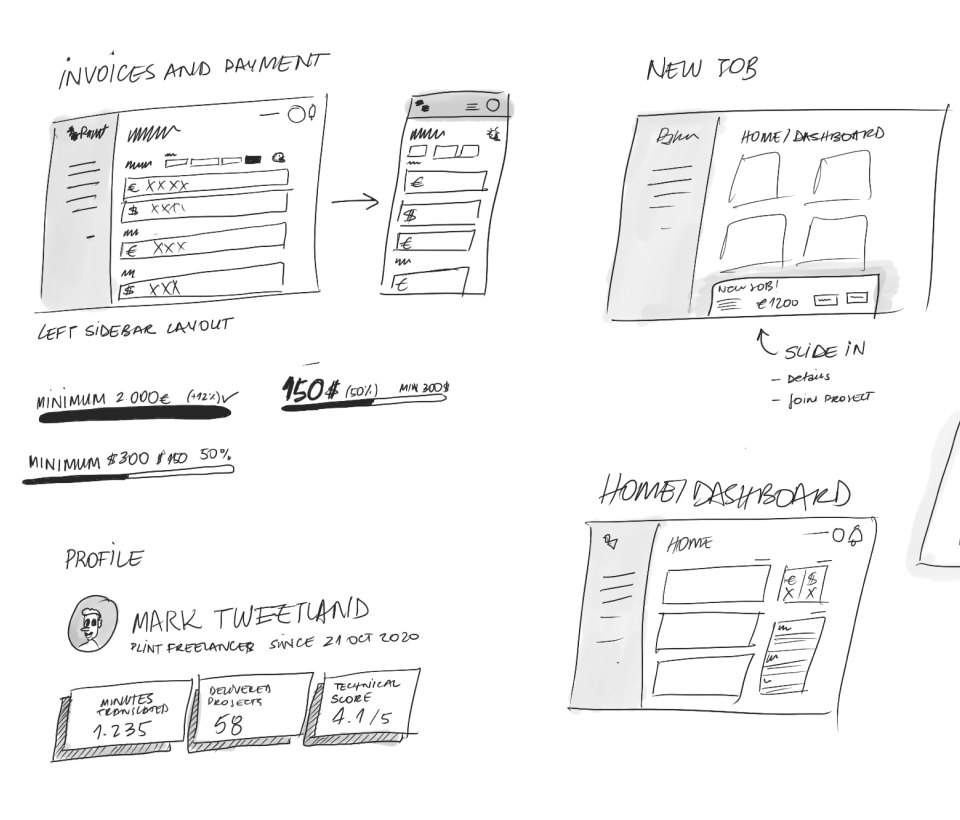
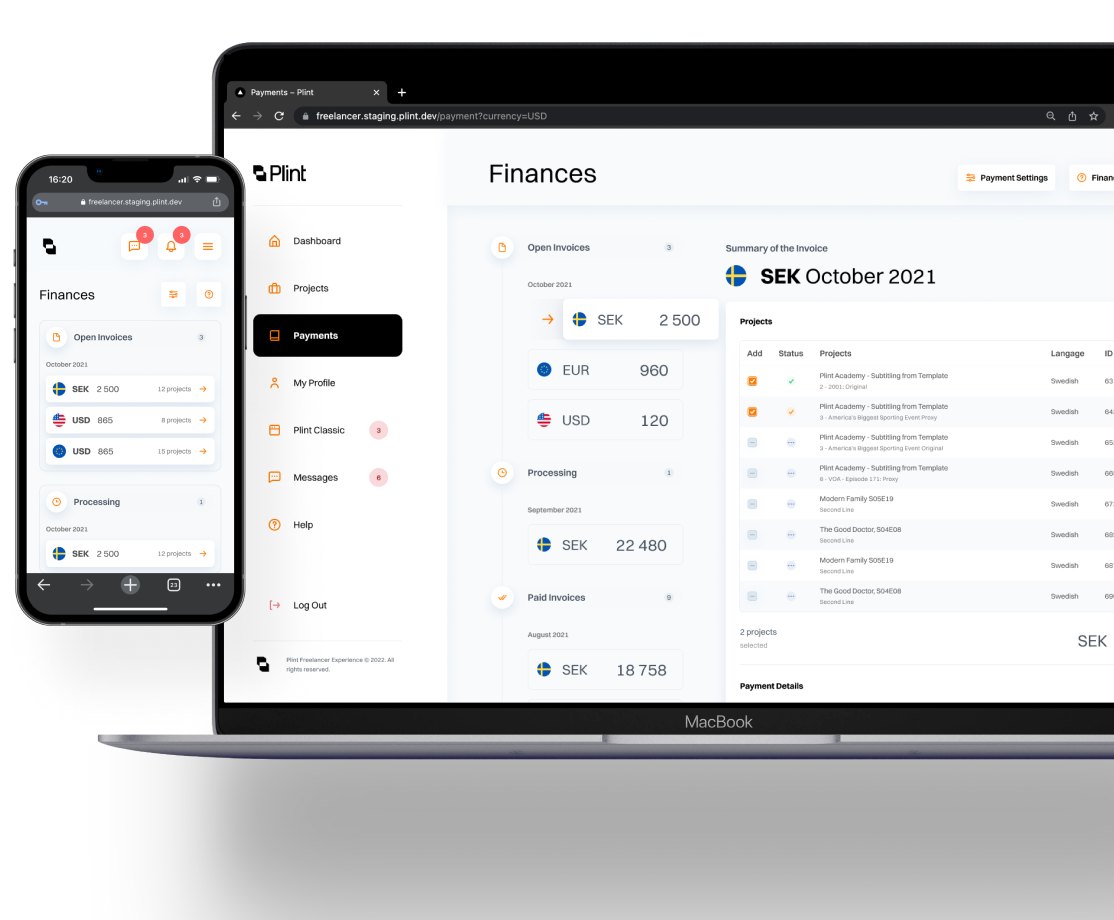
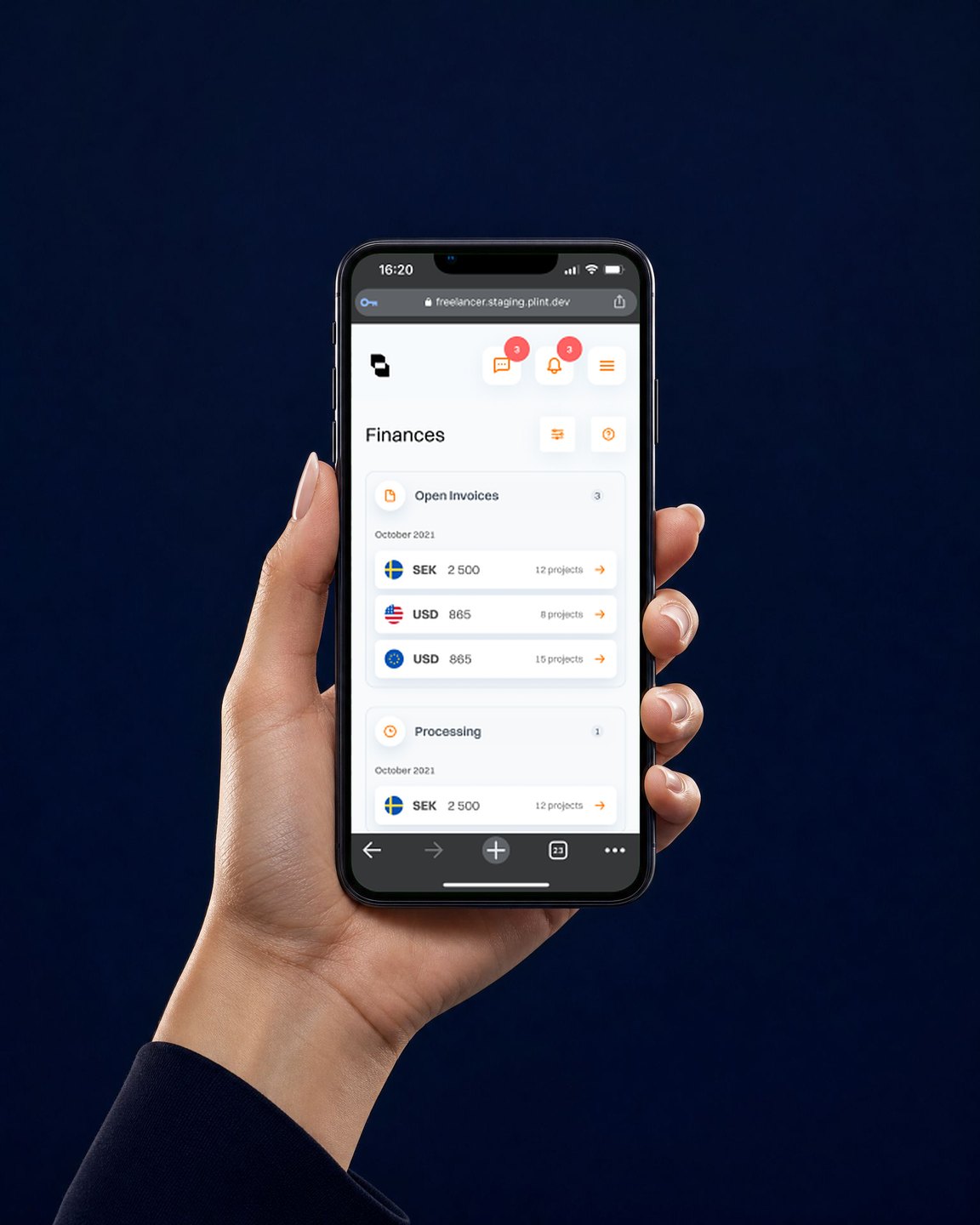
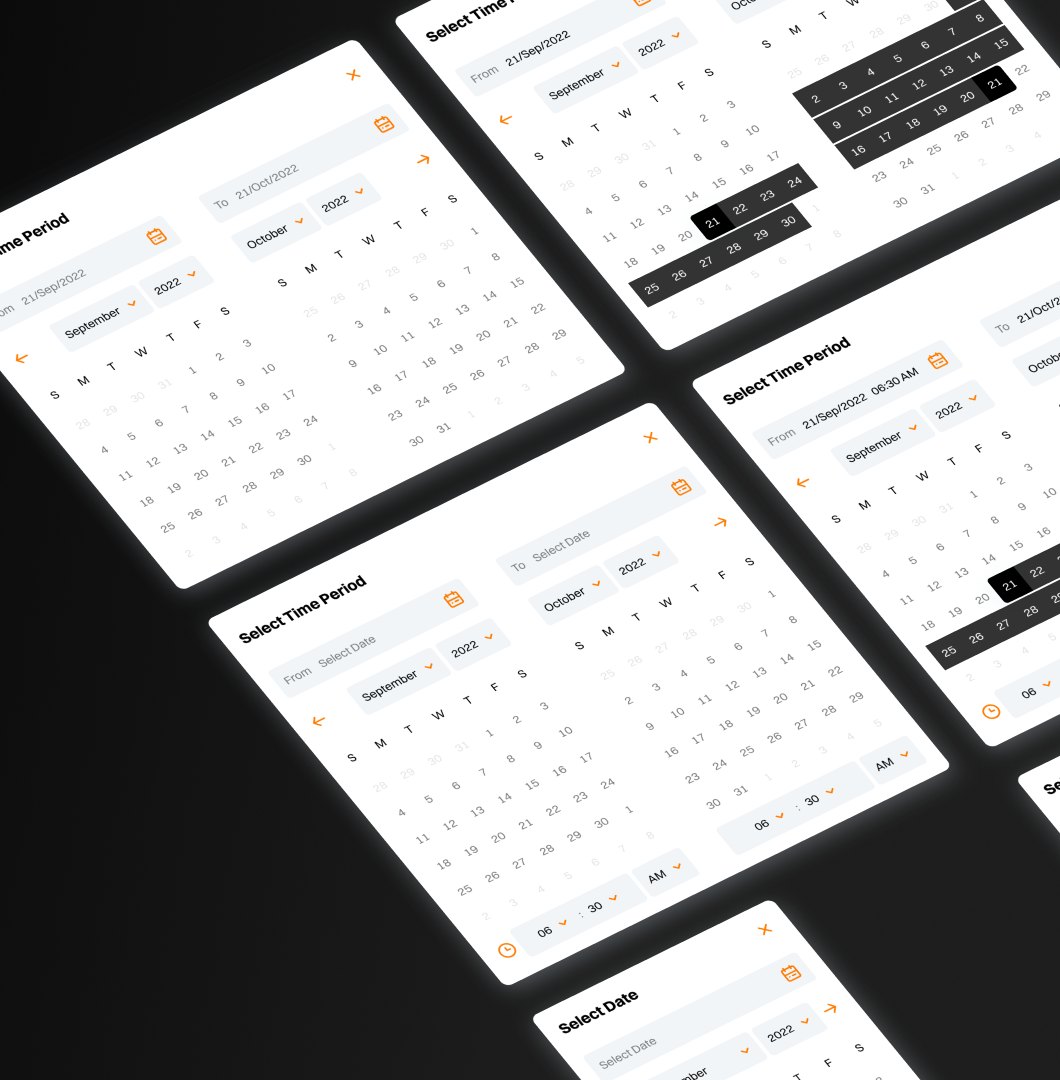
A design system that outlived the project
Starting from Plint's brand, we grew a library from buttons and tables into complex components, illustrations and loading states, then handed it over.
- Figma files with the full design system
- High-fidelity screens and prototypes
- Components built in Storybook
- Process documented in Confluence
Clearer jobs, faster invoices, fewer support requests.
Freelancers got a complete overview of their jobs and a simpler invoicing flow. User feedback pointed to a more efficient workflow and less need to contact support.
[ %]
[Add a measured result, such as the change in support requests]
[ ]
[Add a second metric or a freelancer quote]
“The first long project where I could use so many research methods and invest in the details of the UI.”